
ADHD & Executive Functioning
Attention, focus, organization, planning, impulsivity, and follow-through, at home and in the classroom.

Thoughtful, individualized evaluations that get to know the whole child.
A psychological or psychoeducational evaluation looks closely at how your child thinks, learns, pays attention, communicates, and manages emotions and behavior.
Our goal is to understand not only what your child is struggling with, but why, and to turn that understanding into practical recommendations for home and school.
We’re parents too, and we approach every evaluation with the care we’d want for our own children.

Every evaluation begins with an in-depth parent consultation, a 75-minute diagnostic intake, including honest guidance about whether testing is actually the right next step.
Your psychologist tailors the assessment to your child's age, history, strengths, and referral questions.
We schedule testing around your child and family: fewer, longer sessions to minimize missed school, or shorter ones when age, attention, or stamina call for it. Either way, we get the full picture.
Feedback and a thoughtful written report are generally provided within 1–3 weeks of testing.
Strengths, challenges, diagnoses when appropriate, practical recommendations, school accommodations or standardized-testing recommendations when appropriate, and referrals and resources when useful.
What We Evaluate
Attention, focus, organization, planning, impulsivity, and follow-through, at home and in the classroom.
Reading, writing, and math difficulties, dyslexia, and any academic struggles.
Social communication, development, and autism evaluation, including early identification.
Anxiety, mood, emotional regulation, and behavior that is affecting daily life.
Developmental questions in toddlers and preschoolers, when early answers can make the biggest difference.
Intellectual abilities and academic strengths, with practical recommendations for school placement, enrichment, and supporting growth at home.
Psychological evaluations and documentation for families applying for or renewing Georgia’s Katie Beckett (TEFRA) Deeming Waiver.
Comprehensive evaluations for adults seeking answers about lifelong differences in social connection, communication, sensory experiences, or routines.
There's no standard testing battery. Depending on your child's age, history, strengths, and the questions you bring, an evaluation may assess:
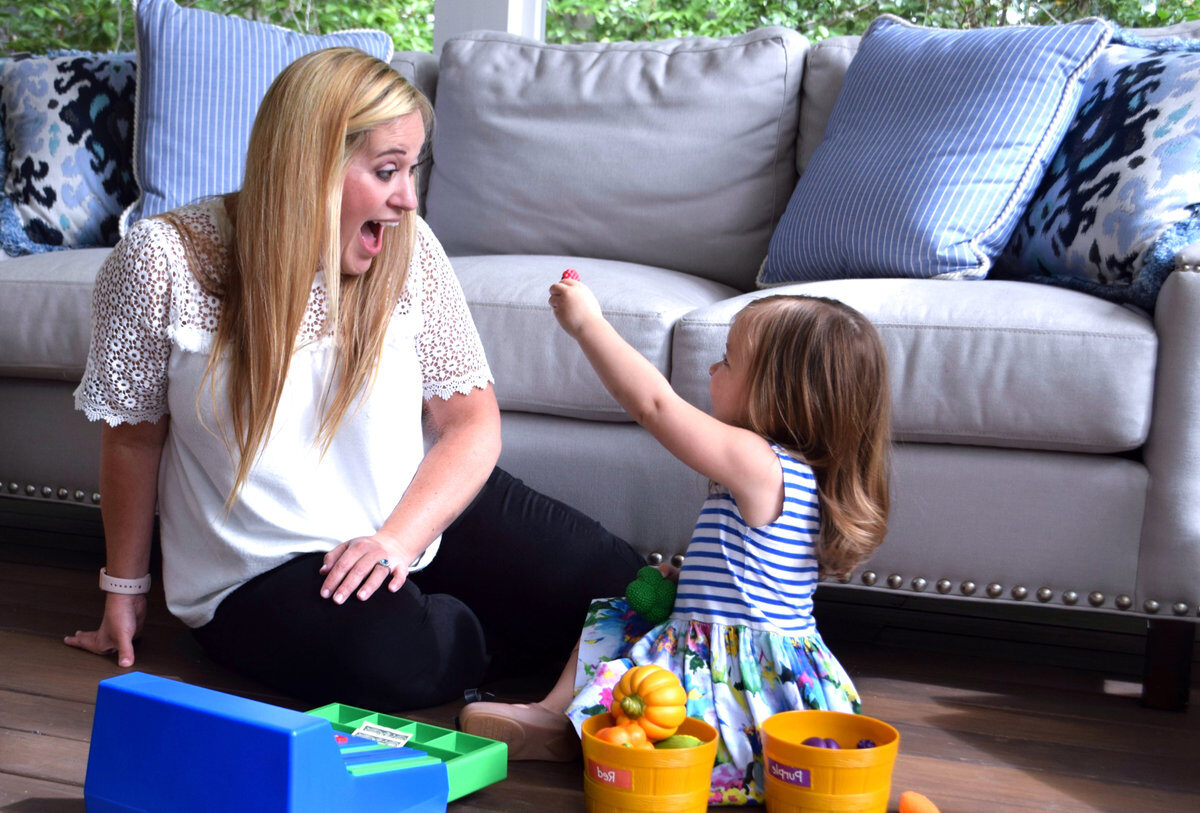
We evaluate children from toddlerhood and preschool age, through school age and adolescence, and on to college-age students.
For young children, testing is play-based and paced to the child, so it feels comfortable and engaging.
For older children and teens, an evaluation can help them get ready for the demands of high school and college and beyond.

The first step is a consultation. Tell us your concerns, and our Intake Coordinator will help you find the right next step for your child.
Prefer to call? 404-618-0505